

There is a reason people keep searching for the perfect melt-in-your-mouth Italian meatballs. Most versions come out too dense, too dry, or just kind of flat. The fix is not complicated – it comes down to using the right fat ratio in the meat, soaking the breadcrumbs before mixing, and not overworking the mixture. Do those three things and you get meatballs that are genuinely tender through the center, not just on the outside where the sauce has softened them.
This recipe uses a beef and pork blend for the most balanced flavor. All-beef works, but the pork brings extra fat and a slightly sweeter richness that makes a real difference in the final texture. From mixing to table, you are looking at about 35 minutes total, and the meatballs work equally well baked, pan-seared, or dropped raw into simmering sauce.
Ingredients for Melt-In-Your-Mouth Italian Meatballs
Fresh breadcrumbs made from day-old white bread give a softer result than dried crumbs from a canister. Two slices with the crusts removed, torn into small pieces, is all you need.
- 1 lb ground beef – 80/20
- 1/2 lb ground pork
- 1/2 cup fresh white breadcrumbs – from about 2 slices bread, crusts off
- 1/4 cup whole milk
- 1 large egg, lightly beaten
- 1/3 cup finely grated parmesan cheese
- 3 garlic cloves, finely grated or minced
- 2 tablespoons fresh flat-leaf parsley, finely chopped
- 1 teaspoon dried oregano
- 1 teaspoon fine salt
- 1/2 teaspoon black pepper
- 1/4 teaspoon red pepper flakes – optional
- 1 tablespoon olive oil – for pan searing if not baking
How to Mix, Shape, and Cook the Meatballs
- Combine the breadcrumbs and milk in a small bowl. Press the bread down into the milk and let it soak for 5 full minutes until it forms a soft, paste-like consistency. This panade is the key to keeping the interior of each meatball moist during cooking rather than drying out from the heat.
- Add the ground beef, ground pork, soaked breadcrumbs, egg, parmesan, garlic, parsley, oregano, salt, pepper, and red pepper flakes to a large bowl. Mix with your hands until the ingredients are just combined and evenly distributed. Stop mixing the moment it looks uniform – continuing past that point develops the muscle proteins in the meat and results in a tough, dense texture.
- Wet your hands with cold water to prevent sticking. Roll the mixture into balls roughly 1.5 inches across. This gives you about 22 to 24 meatballs depending on exactly how you size them. Place them on a plate or sheet pan as you go and try to keep them consistent so they cook evenly.
- To bake – arrange on a lightly oiled rimmed baking sheet and bake at 425°F for 15 to 18 minutes until browned on the exterior and cooked through. To pan-sear – heat olive oil in a heavy skillet over medium-high heat and cook in batches, turning every minute or so for 6 to 8 minutes until evenly browned. To simmer raw in sauce – drop gently into tomato sauce already at a low simmer, cover, and cook for 20 to 25 minutes without stirring aggressively.
Why Your Meatballs Might Be Falling Apart (and How to Fix It)
If your meatballs are breaking apart in the pan or in the sauce, the most likely cause is too little binding. Make sure the egg is fully incorporated and the panade is mixed in evenly rather than sitting in clumps. Another reason is rolling them too loosely – gently compress each ball as you form it so it holds together as a unit. If the mixture feels very sticky and soft, refrigerate the shaped meatballs for 20 minutes before cooking. Cold fat firms up slightly and helps the structure hold through the initial heat exposure. These easy meatball recipes tips apply whether you are baking or pan-searing.
Serving Ideas and Variations
The most classic use is over spaghetti in tomato sauce, but these meatballs are versatile enough to go in several directions. Nestle them into a toasted hoagie roll with extra sauce and provolone for a meatball sub. Stir them into a pot of minestrone during the last 15 minutes of cooking for a hearty soup variation where the meatball juices enrich the broth. For a richer pasta dinner recipe, serve them alongside fettuccine alfredo where the savory beef and the creamy sauce balance each other well. Keeping a few beef recipes easy by using this meatball mixture in smaller 1-inch sizes works well for appetizers or skewers, cutting the bake time down to about 12 minutes at the same temperature.
Freezing, Storing, and Reheating
Cooked meatballs store in the fridge for up to 4 days in a covered container, with or without sauce. To reheat, warm them gently in a covered pan with a splash of water or sauce over low heat for about 8 minutes – the microwave works but tends to make the outer layer slightly rubbery if heated too long. For freezing, arrange cooked meatballs on a sheet pan in a single layer and freeze until solid before transferring to a bag. They keep for 3 months and reheat from frozen in simmering sauce over medium-low heat in about 15 to 20 minutes. Raw shaped meatballs freeze just as well using the same sheet-pan method, which makes this one of the more practical beef recipes for dinner when you want something ready to go on a short timeline.
FAQ
Can I make these meatballs with only ground beef?
Yes, all-beef meatballs are a straightforward substitute. Use 80/20 ground beef rather than anything leaner – the fat content is what keeps the texture soft and the interior moist during cooking. The flavor will be slightly less rich than the beef and pork combination, but the panade will still do its job of keeping them tender. Ground veal is a closer match to the pork in terms of texture if you want to stay with a single meat.
What is the purpose of the panade and can I skip it?
The panade – soaked breadcrumbs in milk – acts as a moisture buffer inside the meatball. As the meat proteins contract during cooking from the heat, the panade holds onto moisture and prevents the center from tightening into a dense, dry ball. Skipping it is technically possible, but the result will be noticeably firmer. It is a five-minute step and the most important one in the whole recipe.
Is it better to bake or pan-fry Italian meatballs?
Baking is more hands-off and produces consistent results across a full batch without needing to monitor multiple meatballs turning in a hot pan. Pan-searing develops a deeper, more caramelized crust and adds more fond to the pan if you are making sauce in the same skillet afterward. For a homemade Italian approach with the most flavor, sear first and then finish in the sauce. For convenience and batch cooking, baking wins.
Can I use pre-grated parmesan from a shaker canister?
It will work but the flavor is noticeably less complex than freshly grated parmesan from a block. Canister parmesan also contains anti-caking agents that give the inside of the meatball a slightly grainy texture compared to the smooth incorporation you get from freshly grated. If that is all you have, use it – the meatballs will still taste good, just not quite as refined.
How do I keep meatballs round while they bake?
Meatballs flatten slightly on the bottom during baking from the contact with the pan surface. To minimize this, use a rimmed baking rack set inside the sheet pan so air circulates underneath and no flat side develops. Alternatively, roll each ball firmly enough that it holds a compact shape, and avoid placing them too close together so steam does not build up between them and soften the exterior before it has a chance to set.
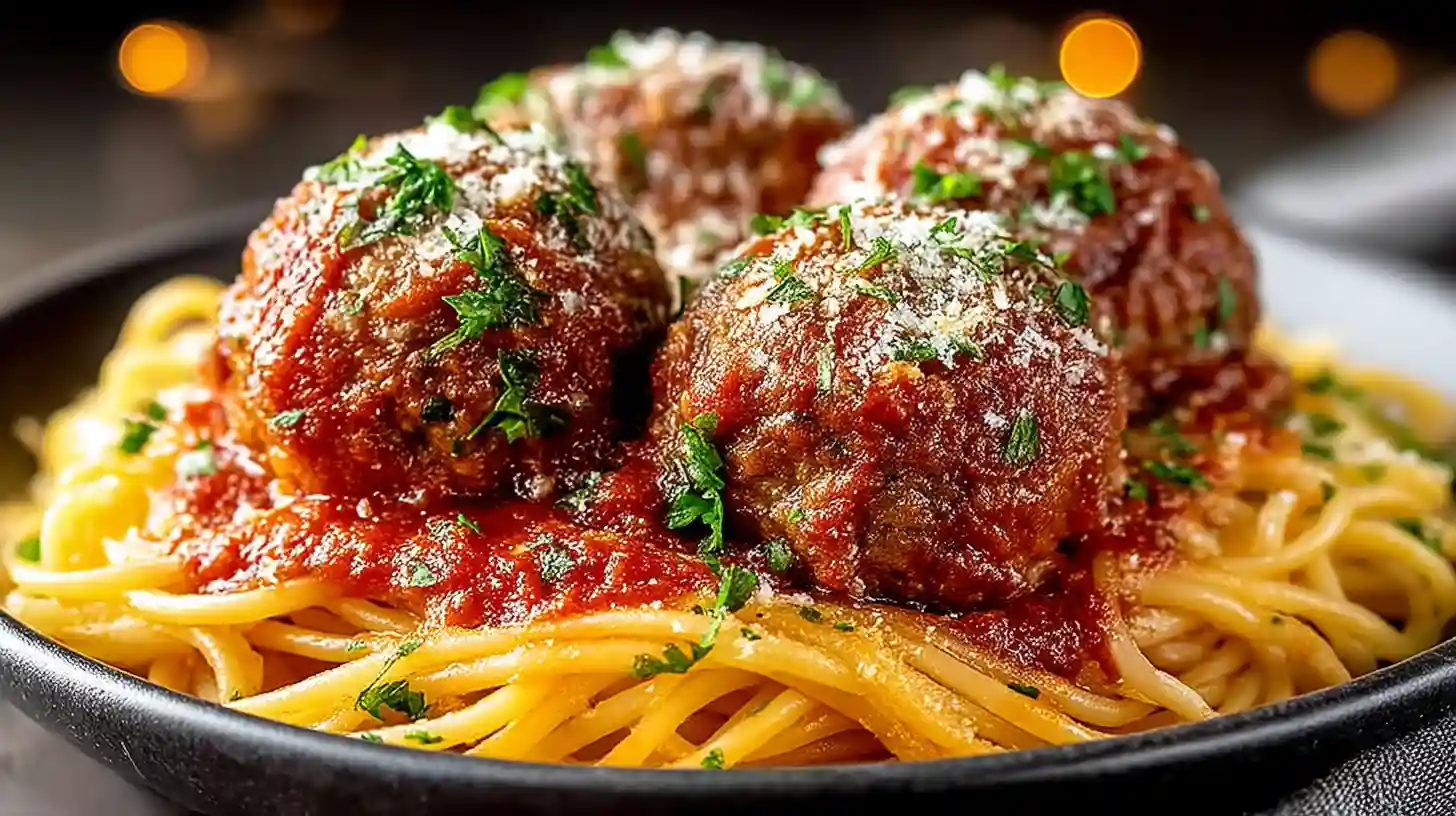
Melt-In-Your-Mouth Italian Meatballs
Ingredients
Equipment
Method
- Soak breadcrumbs in milk for 5 minutes until a soft paste forms.
- Combine all ingredients in a large bowl and mix by hand until just uniform. Do not overmix.
- Roll into 1.5-inch balls with lightly wet hands. Makes about 22 to 24 meatballs.
- Bake at 425°F for 15 to 18 minutes, OR pan-sear in olive oil for 6 to 8 minutes, OR simmer raw in tomato sauce covered for 20 to 25 minutes.
- Serve over pasta, in soup, or in a toasted sub roll.
Notes
- Never skip the panade – it is essential for a tender interior.
- Mix only until combined. Overmixing makes meatballs tough.
- Refrigerate shaped meatballs for 20 minutes if the mixture feels too soft to hold shape.
- Freeze cooked meatballs on a sheet pan before bagging for up to 3 months.